Advance Wars 1+2 Re-Boot Camp
December 19, 2025Advance Wars 1+2: Re-Boot Camp – A Nostalgic Tactical Triumph with Modern Polish
Game Overview: Core Characteristics, Target Audience, and Development History
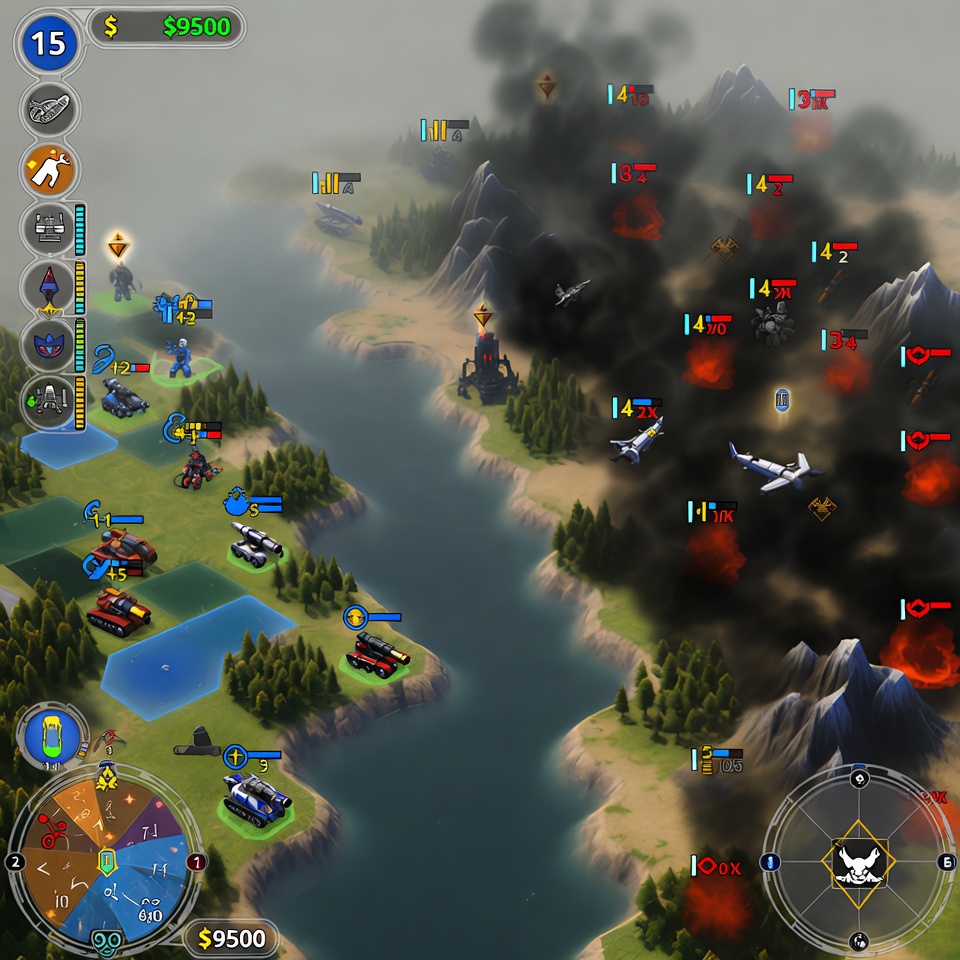
Advance Wars 1+2: Re-Boot Camp is a meticulously crafted remaster of two beloved Game Boy Advance classics Advance Wars (2001) and Advance Wars 2: Black Hole Rising (2003) released exclusively for the Nintendo Switch in 2023. Developed by WayForward Technologies, known for their visual flair and musical expertise in titles like Shantae, and published by Nintendo, this bundle faithfully recreates the turn-based strategy gameplay set in the colorful fictional worlds of Cosmo Land and Macro Land.
Players command armies for nations like Orange Star against rivals and the invading Black Hole forces, building units across land, air, and sea while leveraging terrain, weather, fog of war, and over 20 unique Commanding Officers (COs) with personalized abilities such as Andy’s repair boosts, Sami’s infantry capture prowess, or Max’s devastating direct-fire enhancements. The campaigns span 15-25 hours each on the default “classic” difficulty (the original hardest mode), with unlockable “Challenge” variants for added rigor, totaling 30-50 hours of core story content alone.
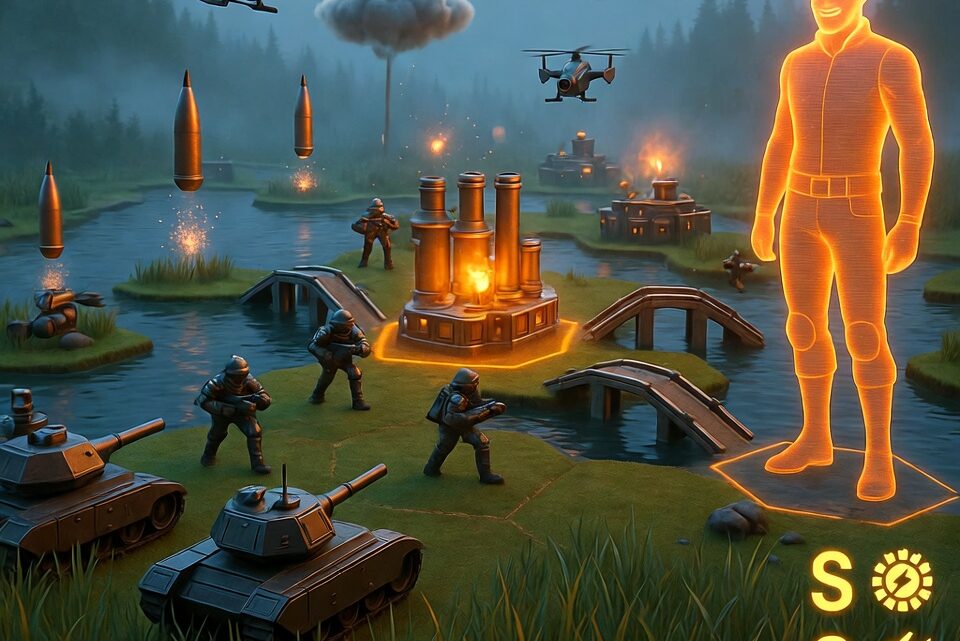
Modern enhancements elevate the experience: vibrant 3D visuals replace pixel art, a re-recorded soundtrack features CO-specific themes (think bluegrass for the laid-back sniper Grit or jazz for Sensei), voice acting, animated hologram shorts, turn restarts for forgiving retries, fast-forward animations to skip grindy moments, and online multiplayer limited to friends lists. Replayability explodes in the War Room for custom AI skirmishes with tweakable rules (fog, weather, victory conditions) and the Design Room’s full map editor, enabling shareable creations like naval Battleship-style showdowns.
End-mission grades in speed, power, and technique unlock new COs, maps, and tracks, pushing playtime toward 60+ hours for completionists. Local wireless multiplayer supports gatherings, but online lacks matchmaking, emphasizing squad-based or solo AI play.
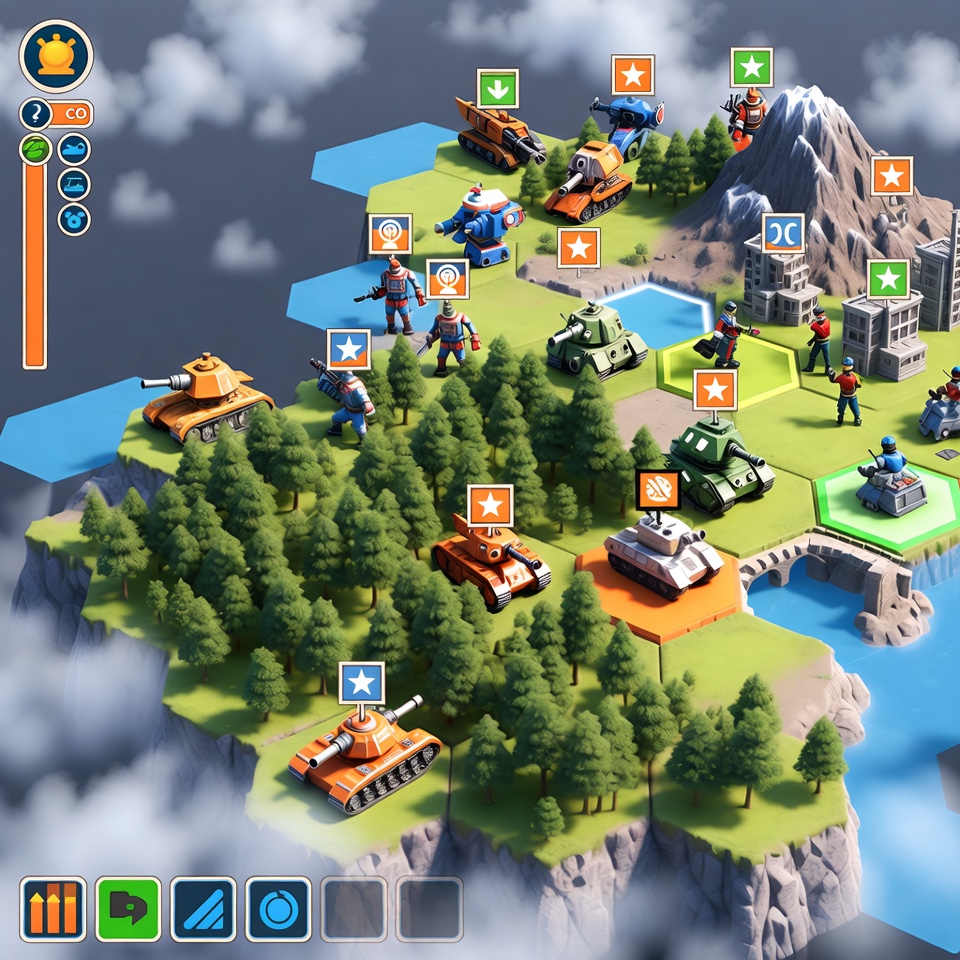
This remaster targets a dual audience: nostalgic veterans in their 20s-40s who fondly remember link-cable battles on the GBA, and newcomers drawn to accessible turn-based tactics. It’s perfect for strategy enthusiasts who relish creative army-building, ambushes in fog-shrouded forests, chokepoint bridges for tank defenses, and rock-paper-scissors unit counters (infantry captures cities, anti-airs shred planes, artillery rains from afar).
The tutorial-heavy early missions ease in beginners, while depth rewards planning synergizing CO powers like Super CO abilities from AW2 (ammo refills, vision reveals) keeps experts engaged. Unlike action-heavy RTS games, it prioritizes deliberate, cerebral warfare, making it ideal for portable Switch sessions, whether docked for big-screen glory or handheld for commutes. Historically, the series began with Advance Wars in 2001, introducing its addictive loop amid post-9/11 delays due to militaristic themes.
Black Hole Rising (2003) expanded with Super CO powers and Black Hole antagonists, but the franchise stalled after DS entries like Dual Strike (2005) and Days of Ruin (2008), victims of Nintendo’s shifting priorities. Absent for 15 years, Re-Boot Camp revives it without DS content, polishing the GBA duo for a new era while preserving their lightweight, addictive essence no microtransactions, no live service bloat, just pure tactical joy.
Positive User Feedback: A Love Letter from Fans and Newcomers Alike
Users rave about Advance Wars 1+2: Re-Boot Camp as a heartfelt resurrection of a neglected gem, with IGN’s Jada Griffin a series veteran awarding it an 8/10 after 60 hours, dubbing it a “great return” that captures the originals’ magic while adding thoughtful shine. Nostalgia hits hard for GBA faithful, who praise the faithful recreation of campaigns where clever unit placement turns zerg rushes into routs parking tanks on forests for stealthy firepower or using Sami to blitz-capture factories amid fog of war. “It holds a special place in my heart since the Game Boy Advance days,” echoes one reviewer, highlighting how rewarding victories feel when a meticulously planned ambush neutralizes superior forces, teaching resilience through failures that spur refined strategies. Newcomers appreciate the accessibility: turn restarts forgive rookie errors, fast-forwards breeze past animations, and classic difficulty ramps gradually, making it a gentle entry to the genre without Fire Emblem’s permadeath dread.
The modernizations steal the show. Charming 3D art pops with expressive animations CO holograms banter before missions paired with a fantastic re-recorded soundtrack that’s a standout, boasting faction-specific vibes like Grit’s twangy bluegrass or Sensei’s swinging jazz, elevating tension during Black Hole sieges. Voice acting, though sparse, adds personality (quality lines like Andy’s optimistic quips), and animated shorts flesh out lore without bloating runtime. Replayability is “limitless,” users gush: War Room custom battles let you tweak fog, weather, or funds for endless variety, while the map editor fosters creativity craft water-heavy maps for Battleship duels, share online, and iterate on friends’ chaos.
Mission grading (S-ranks in speed/power/technique) gates unlocks like new COs and tunes, turning campaigns into addictive grinds. Challenge mode, unlocked post-story, pushes veterans to their limits with brutal AI tweaks, proving the engine’s depth. Local multiplayer shines at gatherings, with balanced CO matchups ensuring fair fights. “60 hours of engaging content,” fans declare, from 15-25 hour campaigns (plus alternates) to AI skirmishes and design marathons. CO versatility Max’s damage spikes, Andy’s heals demands matchup knowledge, yielding “unique matches” every time. Overall, it’s lauded as veteran-friendly yet newbie-welcoming, with hopes for DS sequels fueling community buzz around custom maps and S-rank chases.
Negative User Feedback: Frustrations Amid the Tactics
Despite the adoration, Advance Wars 1+2: Re-Boot Camp draws sharp criticism for shortcomings that feel outdated in 2023, chief among them the baffling online multiplayer. Friends-only lobbies no matchmaking or random queues doom spontaneous play, forcing players to “make friends first” or default to AI solitaire. “Biggest letdown on Switch,” vents IGN and users alike; in an era of seamless PvP, it’s like dusting off a GBA link cable, sidelining the game’s social potential despite map-sharing. Community gripes amplify this: custom maps thrive with squads, but casuals are stuck grinding bots, limiting long-term vibrancy.
Gameplay pacing falters too. AW1’s campaign is “tutorial-soft,” with early missions dragging as hand-holding explanations bloat runtime, spiking only in finales veterans yawn through basics they’ve mastered for 20 years. AW2 fares better with Black Hole COs introducing uneven spikes (plot-armor villains cheeseable via anti-airs, yet overwhelming elsewhere), but some missions sprawl due to vast maps or hidden artillery traps punishing minor errors. Challenge mode’s post-campaign unlock gatekeeps series vets, feeling like “lazy design” when AI was arguably tougher in 2001 originals (or did we just suck less?).
Stories remain shallow basic nation-vs-villain plots with brighter Black Hole moments but no emotional depth, unchanged from GBA. Voice acting is modest: fine quality, but sparse quantity leaves silence dominating. Mode variety is scant campaigns, War Room, editor, done no co-op campaigns, survival, or DS-style tag battles. No Dual Strike or Days of Ruin content stings, hoarding richer mechanics like Dual Strike’s dual-screen CO swaps. Large-scale missions punish tactical slips (losing a copter to fogged artillery cascades into hours of recovery), and while grading extends play, it borders masochism for perfectionists. These flaws temper enthusiasm, making it a polished nostalgia trip, not a genre pinnacle.
Comparisons to Competitors and Future Speculation: Standing Tall, Gazing Ahead
Compared to peers, Advance Wars 1+2: Re-Boot Camp carves a breezy, accessible niche in turn-based tactics. Versus Fire Emblem: Three Houses (2019), it lacks RPG depth story, character bonds, permadeath but trumps in pure strategy sans grinding; AW’s unit production and CO swaps feel snappier than FE’s waifu simulator sprawl, ideal for quick sessions over epic sagas. Into the Breach (2018) offers tighter puzzles with mech roguelikes and perfect info, but AW’s fog-of-war chaos, weather variables, and map editor deliver broader sandbox joy Breach is surgical, AW is sprawling warfare. Wargroove (2019), a blatant spiritual successor, apes COs and editors but stumbles on clunky AI and less inspired art/music; Re-Boot Camp’s polish (3D visuals, soundtrack highs) and Nintendo sheen outclass it, though Wargroove edges in crossplay matchmaking. Triangle Strategy (2022) piles on political branching narratives, but AW’s campaigns are leaner, focusing tactics over dialogue bloat. Ultimately, AW shines for bite-sized brilliance 15-minute skirmishes versus hour-long FE turns prioritizing creativity (naval Battleship maps) over narrative heft.
From another angle, it’s a cautionary modern remaster: faithful to a fault, like Metroid Prime Remastered, boosting visuals without bloat, yet hamstrung by Nintendo’s multiplayer timidity (contrast Mario Kart 8’s chaos). Provocatively, is the AI’s forgiveness a mercy for noobs or dilution of OG bite? Challenge mode suggests the latter, gating elitism smartly.
Looking ahead, Re-Boot Camp’s 8/10 success and 60-hour hook position it for bright futures sales could greenlight DS remasters (Dual Strike’s CO tag-teams, Days of Ruin’s grimdark vibe), integrating them into a “Complete Collection.” Patchwork matchmaking (Nintendo’s track record: reluctant but possible, à la Splatoon) would revive online, birthing ranked ladders for Grit-cheese showdowns. Community map-sharing hints at DLC editors or endless modes, sustaining solo play. Speculatively, if WayForward iterates, expect PC ports for modders (endless custom COs) or Switch 2 enhancements like 4K visuals. Yet Nintendo’s hoarding risks stagnation without PvP fixes or sequels, it fades to cult nostalgia. Optimistically, this “great return” reignites demand; pessimistically, it’s peak series, destined for AI marathons unless rivals force evolution. Either way, it’s a must-play revival proving tactics never die.